
 888-258-7913



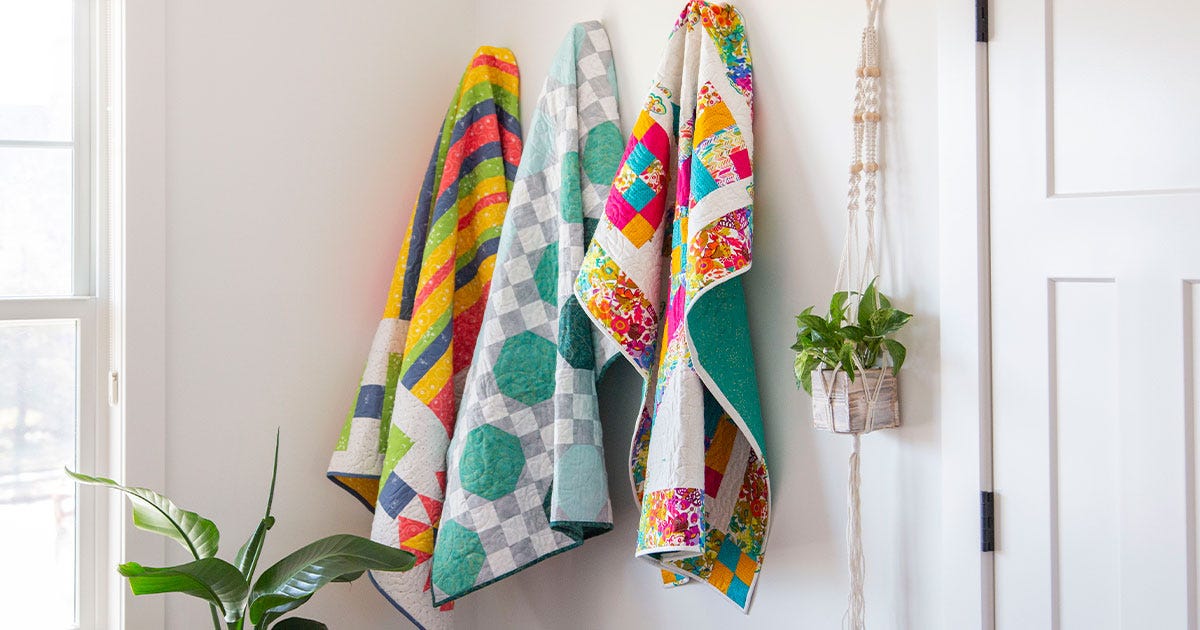
Quilting is an art form passed down for generations, combining creativity, skill and patience to create stunning works of fabric art. If you're new to quilting, it can feel a little overwhelming at first; there are so many tools, techniques and fabrics to choose from! But don’t worry. With the right tools and a bit of guidance, you’ll be on your way to stitching up beautiful quilts in no time.
Getting Started: Understanding the Basics
Before you dive into your first quilt, it helps to understand a few key quilting concepts:
- Fabric Selection – Quilts are often made from 100% cotton fabric because it’s easy to work with, durable and comes in a variety of beautiful prints. Start with pre-cut fabric bundles like fat quarters or charm packs to make choosing the color palette easier.
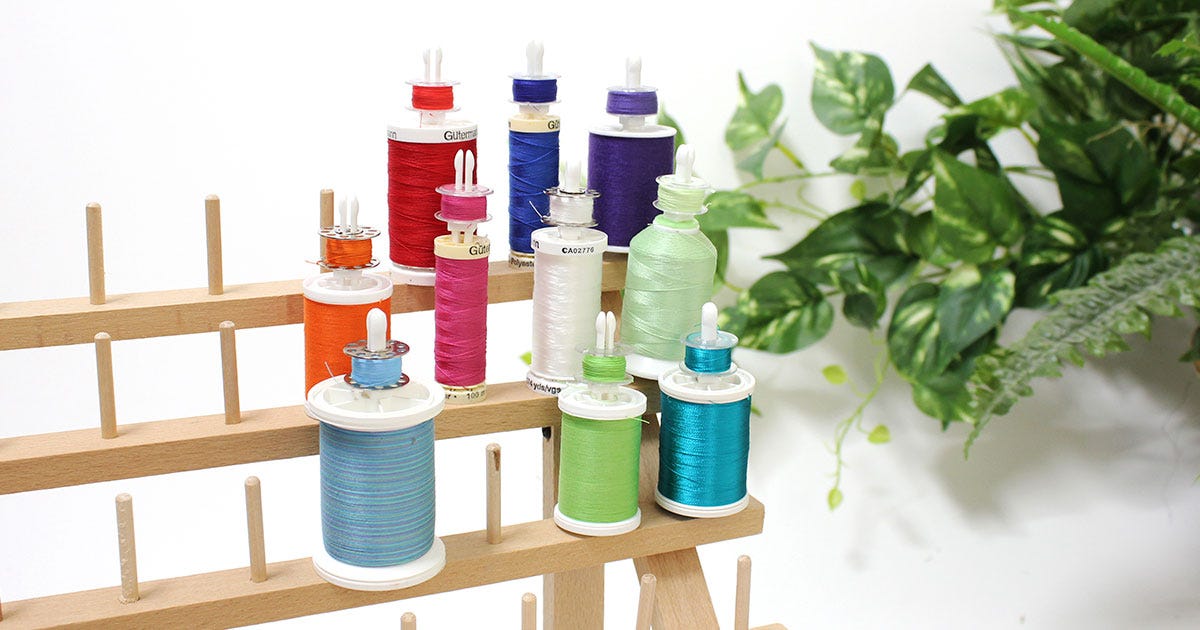
- Thread – A high-quality cotton or polyester thread will help ensure your quilt holds up over time. Avoid cheap threads that fray or break easily.
- Seam Allowance – Quilters generally use a ¼-inch seam allowance. Using a ¼-inch presser foot on your sewing machine can help maintain consistency.
- Pressing Matters – Pressing seams with an iron (not just ironing!) helps to keep your pieces flat and precise, making your final quilt top look neater.
Essential Quilting Tools for Beginners
Starting with the right tools will make quilting much easier and more enjoyable. Here are some must-haves:
Cutting Tools
- Rotary Cutter – A rotary cutter allows you to make precise cuts through multiple layers of fabric. Look for one with a sharp, replaceable blade and a comfortable grip.
-
Cutting Mat – A self-healing cutting mat protects your workspace and helps maintain blade sharpness. A large size (at least 18” x 24”) gives you plenty of room to work.
-
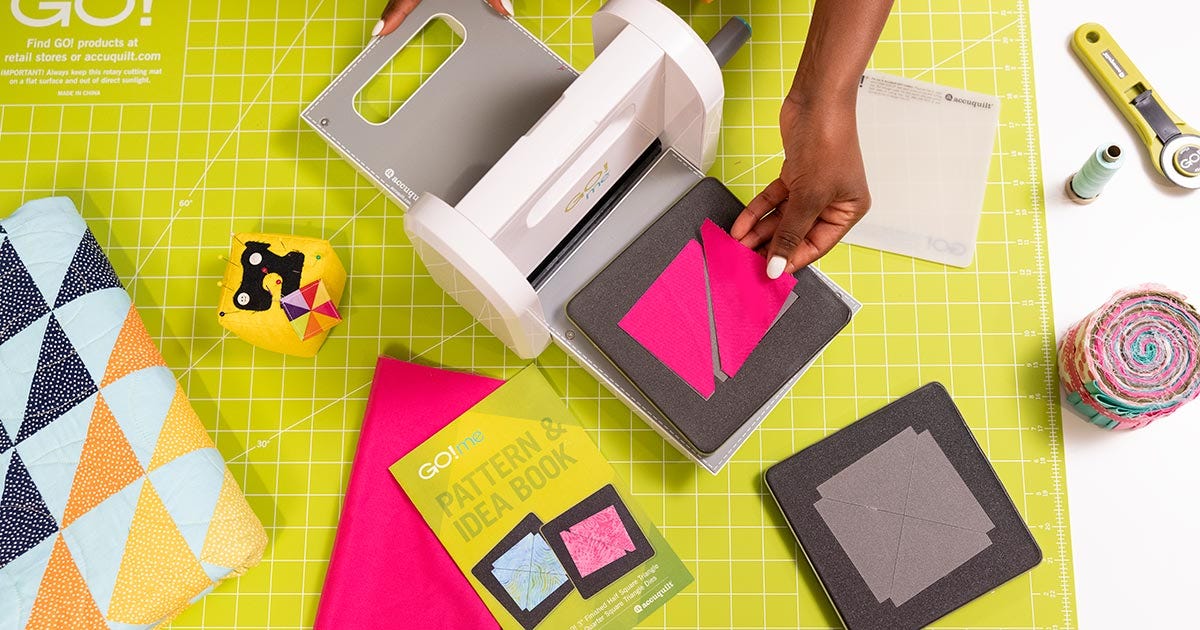
AccuQuilt Cutting System – If you want to make flawless, foolproof cuts every time, an AccuQuilt fabric cutting system is a game-changer. This system eliminates the need for complex measuring and hand-cutting, reducing fabric waste and saving time. AccuQuilt dies ensure perfect shapes and precise cuts, making piecing your quilt a breeze.
-
AccuQuilt GO! Me 2.0 Fabric Cutter – Perfect for beginners, this starter fabric cutter simplifies the quilting process with pre-designed die cuts, helping new quilters avoid cutting mistakes and achieve professional results. It's lightweight, portable and ideal for small projects or learning how to start quilting with ease.
-
AccuQuilt Starter Sets – These sets provide an all-in-one solution for beginners, including a cutting machine, dies, cutting mats and patterns to get started immediately.
Sewing Essentials
-
Quality Sewing Machine – While hand quilting is an option, a good sewing machine makes the process faster and smoother. Look for one with adjustable stitch lengths and a walking foot for quilting layers together.
-
Quilting Ruler – A transparent quilting ruler with grid lines helps measure and cut fabric with precision.
-
Pins & Clips – Quilting pins (extra-long with large heads) and fabric clips are handy for holding pieces together as you sew.
-
Seam Ripper – Even experienced quilters make mistakes. A seam ripper allows you to undo stitches quickly and cleanly.
Ergonomic Must-Haves for a Comfortable Quilting Experience
One aspect of quilting that many beginners overlook is the importance of an ergonomic workspace. Spending hours at your sewing machine can take a toll on your back, neck and shoulders if you’re not set up properly. Investing in the right furniture and accessories can make all the difference.
-
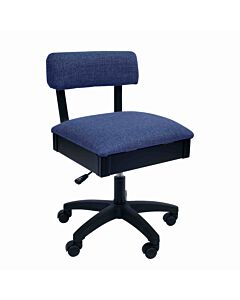
A Good Sewing Chair – Sitting for long periods can lead to discomfort if your chair doesn’t provide the right support. A high-quality, adjustable sewing chair promotes good posture, reduces strain on your back and keeps you comfortable during marathon quilting sessions.
-
A Dedicated Sewing Table – Instead of using a regular desk or dining table, opt for a dedicated sewing table. These tables provide stability, the right height and often have a drop-in section for your sewing machine, allowing for a flush work surface that prevents fabric drag.
-
Proper Lighting – Good lighting is essential for seeing details, especially when working with intricate patterns or dark fabrics. A bright LED desk lamp with adjustable positioning can help reduce eye strain.
-
-
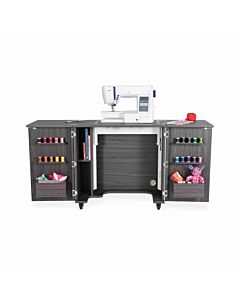 Bandicoot Sewing CabinetOut of stock
Beginner-Friendly Quilting Tips
-
Start Small – Your first quilt doesn’t have to be a full-sized bedspread. Try a table runner, baby quilt, or wall hanging.
-
Use Simple Patterns – Look for patterns that use squares and rectangles before moving on to triangles and curves.
-
Take Advantage of Video Tutorials – We offer fantastic Learn to Sew and Learn to Quilt video series here on AccuQuilt.com, walking you through every step of the process.
-
Practice Your Stitches – Before sewing on your actual quilt fabric, practice stitching on scrap fabric to get comfortable with your machine.
Choosing Your First Quilt Pattern
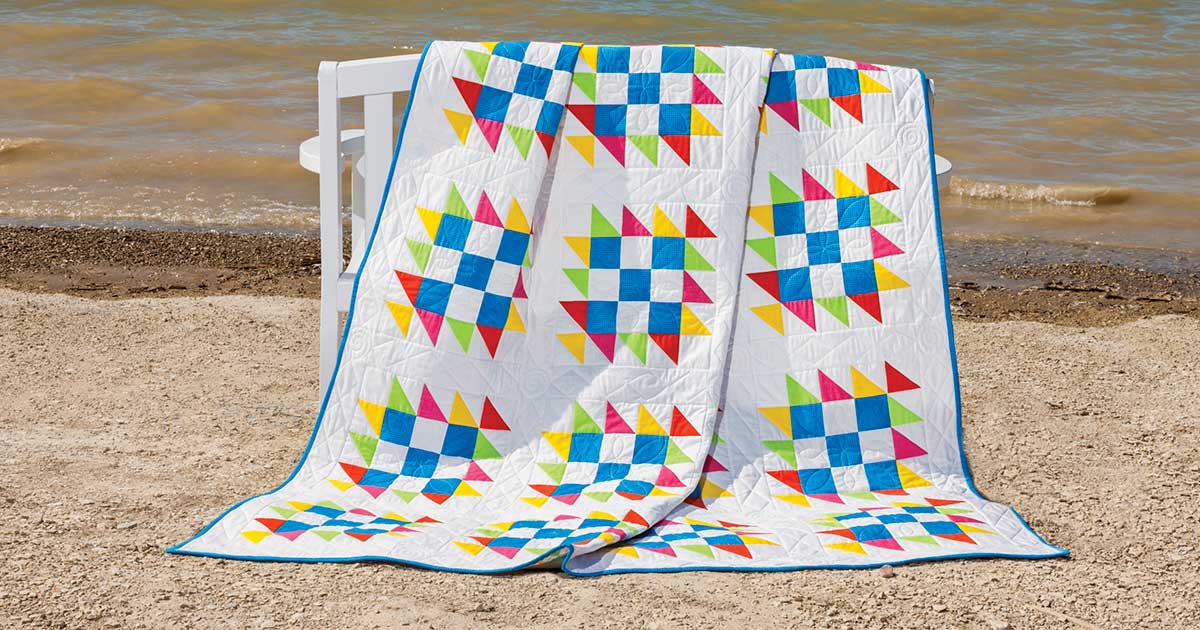
When selecting your first quilt project, choose a beginner-friendly pattern that doesn’t require complex piecing or intricate techniques. Some great beginner quilt patterns include:
- The Rail Fence Quilt – Made with simple strips sewn together to create an easy-to-piece design.
- Nine-Patch Quilt – Uses basic square blocks in a grid layout, making it a great starting point.
- Half-Square Triangle Quilt – Introduces beginners to triangles without complicated cutting and piecing.
-
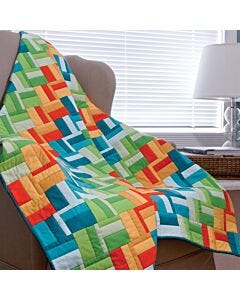 GO! Scrappy Rail Fence QuiltSpecial Price $0.00 Regular Price
$4.99You Save $4.99 -
 GO! Sawtooth Nine Patch Quilt PatternSpecial Price $0.00 Regular Price
$4.99You Save $4.99
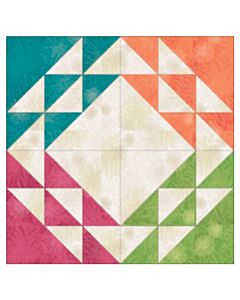
Ready, Set, Quilt!
Learning to quilt is a rewarding and relaxing hobby that allows you to express your creativity while making something truly special. By investing in the right tools—like the GO! Me 2.0 fabric cutter for precision cutting, an ergonomic sewing setup and quality quilting supplies—you set yourself up for a more enjoyable and successful quilting journey.
So, grab some tools and supplies, check out the Learn to Sew and Learn to Quilt video series and start stitching! Happy quilting!


